Low-Fat Proteins To Add to Your Diet
13 Low-Fat Proteins To Add to Your Diet
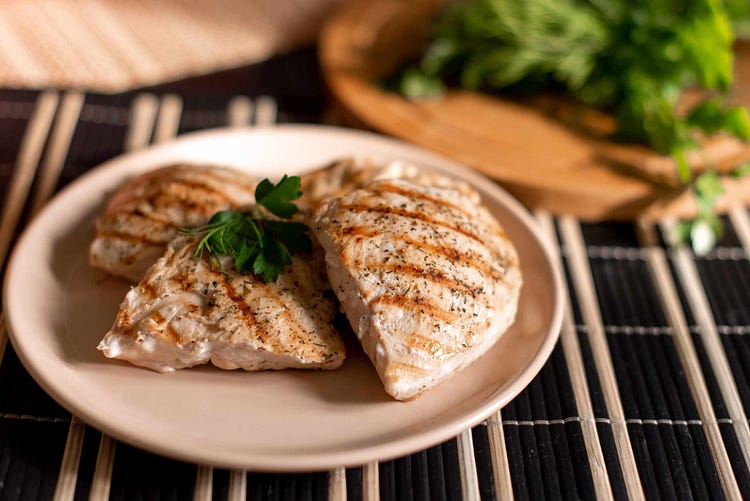
The best lean protein foods include chicken, Greek yogurt, and lentils. They can help with muscle growth and weight management.
1. Chicken Breast
Skinless chicken breast is exceptionally lean and relatively low in calories. Here’s the nutrition breakdown for a 3-ounce serving of skinless chicken breast:
Chicken breast also provides essential vitamins and minerals, such as B vitamins niacin (B3) and pyridoxine (B6), zinc, and selenium. It’s a versatile protein source that can add nutritional value to pasta, rice pilaf, and soups.
2. Protein Powders
Most protein powders, such as whey protein, pea protein, and collagen peptides, are very low in fat. Here’s the nutrition breakdown for a 28 g serving of whey protein isolate protein powder:
Try using protein powders in smoothies and shakes or adding them to dishes like oatmeal and chia pudding. Research has shown that protein powders increase satiety-inducing hormones, such as peptide YY (PYY) and glucagon-like peptide 1 (GLP-1). These hormones help you feel full and reduce calorie intake.
3. Beans and Lentils
Beans and lentils are a source of plant-based protein and are naturally low in fat. A 1-cup serving of cooked lentils provides:
Unlike animal-based proteins, beans and lentils are rich in fiber. This nutrient regulates bowel movements and supports healthy cholesterol and blood pressure levels. Fiber also helps you feel full after eating. Choosing foods high in protein and fiber can support weight loss and improve body composition.
4. Cottage Cheese
Cottage cheese is a protein-rich dairy product that comes in many fat percentages. Skim and reduced-fat cottage cheese products are low in fat but packed with protein.
A 1-cup serving of 1% cottage cheese contains:
Low-fat and skim cottage cheese also provide essential vitamins and minerals, including calcium. This mineral builds and maintains bones and supports nerve and heart function. A 1-cup serving of 1% cottage cheese covers 11% of the DV for calcium.
5. Greek Yogurt
Greek yogurt is another high-protein dairy product available in several fat percentages, including 1% and skim. A 6-ounce serving of fat-free Greek yogurt provides:
Greek yogurt provides more than twice the amount of protein found in regular low-fat yogurt, which has 8.98 grams of protein per 6-ounce serving. It also contains essential nutrients like calcium, vitamin B12, selenium, and magnesium.
6. Fish and Shellfish
Seafood, such as fish and shellfish, is one of the most concentrated sources of protein. Cod and flounder are leaner and lower in calories than salmon and tuna. Both lean and fatty seafood are nutritious, but some people may prefer leaner fish and shellfish.
Here’s the nutrition breakdown for a 3-ounce serving of cod:
Lean fish are rich in protein and vitamins and minerals like vitamin B12, selenium, and zinc. Fattier fish are richer in omega-3 fatty acids, which have powerful anti-inflammatory properties. It’s best to enjoy a variety of seafood to ensure you get the most nutrients.
7. Turkey Breast
Like chicken, skinless turkey breast is a source of lean protein. A 3-ounce serving of skinless turkey breast provides:
Turkey breast helps support satiety and healthy blood sugar levels. Protein slows digestion, which leads to a slower release of sugar into the bloodstream. Pairing poultry with carbohydrate-rich foods, like rice or pasta, can help manage blood sugar in people with diabetes.
Tofu is a plant-based food loaded with protein. A 3-ounce serving of extra-firm tofu provides:
Tofu is low in calories and fat but is a good source of protein and other nutrients needed for overall health. It provides minerals that tend to be low in plant-based eating plans, such as calcium, selenium, zinc, and iron.
Beef is labeled according to leanness. Lean beef contains less than 10 grams of fat, 4.5 grams of saturated fat, and 95 milligrams of cholesterol per 100-gram serving. Extra-lean beef contains less than 5 grams of fat, 2 grams of saturated fat, and 95 milligrams of cholesterol per 100-gram serving.
Here’s the nutrition breakdown for a 3-ounce serving of extra-lean beef:
Beef is also a concentrated source of iron. This mineral aids oxygen transportation, growth and development, cellular function, and hormone production. Iron deficiency is common, especially in pregnant people and those with heavy periods. A 3-ounce serving of ground beef provides 2.64 milligrams of iron, or 15% of the DV, so it’s a good choice for healthy iron stores.
10. Egg Whites
Whole eggs are a rich source of healthy fats, protein, vitamins, and minerals. Egg yolks are high in fat and cholesterol, so some people prefer egg whites over whole eggs.
The two egg whites provide the following nutrients:
Egg yolks provide most of the nutritional value of eggs, including calcium, iodine, iron, selenium, and zinc. Most people can enjoy whole eggs as part of a balanced diet.
Venison is not as popular as beef, but it’s known as one of the leanest game meats. A 3-ounce serving of venison provides:
Venison is also high in several vitamins and minerals, including iron, selenium, and vitamin B12. A 3-ounce serving of venison covers 100% of the DV for vitamin B12. This B vitamin aids red blood cell production, neurological function, metabolism, and DNA synthesis.
12. Powdered Peanut Butter
Powdered peanut butter is an alternative to the traditional spread that has fewer calories and grams of fat per serving. The grinding process removes the natural oils found in regular peanut butter from the powdered form.
Here’s the nutrition breakdown for a 2-tablespoonserving of powdered peanut butter:
You can mix powdered peanut butter into oatmeal, smoothies, or yogurt. Keep in mind that regular peanut butter is still nutritious and contains heart-healthy oleic acid. This fat helps lower low-density lipoprotein (LDL) cholesterol.
Like cottage cheese and yogurt, milk is available in different fat percentages. Here’s the nutrition breakdown for a 1-cupserving of low-fat milk:
Milk is also a rich source of calcium and vitamin D, both of which are essential for strong bones and muscles. You can enjoy milk on its own or add it to cereal, coffee, or oatmeal.
How To Increase Your Protein Intake
Protein needs vary, but most active people need to take in between 1.2–2 grams of protein per kilogram (0.54–0.9 grams per pound) of body weight a day. There are many easy ways to boost your protein intake, such as:
- Add beans and lentils to plant-based dishes, like grain bowls, salads, and soups.
- Blend low-fat cottage cheese, strawberries, and maple syrup until smooth, and then freeze it for a protein-rich cottage cheese ice cream.
- Pour a scoop of collagen peptides into coffee or tea.
- Swap regular yogurt for Greek yogurt.
- Use protein powders to add lean protein to smoothies, oatmeal, and even baked goods.
You do not need to avoid higher-fat protein sources, like egg yolks, full-fat dairy, avocados, and nuts. Fat is an essential nutrient that supports brain function, nutrient absorption, and hormone synthesis.
Originally published at https://www.health.com.


Comments
Post a Comment