Everything You Should Know About Low Glycemic Index Foods
Everything You Should Know About Low Glycemic Index Foods
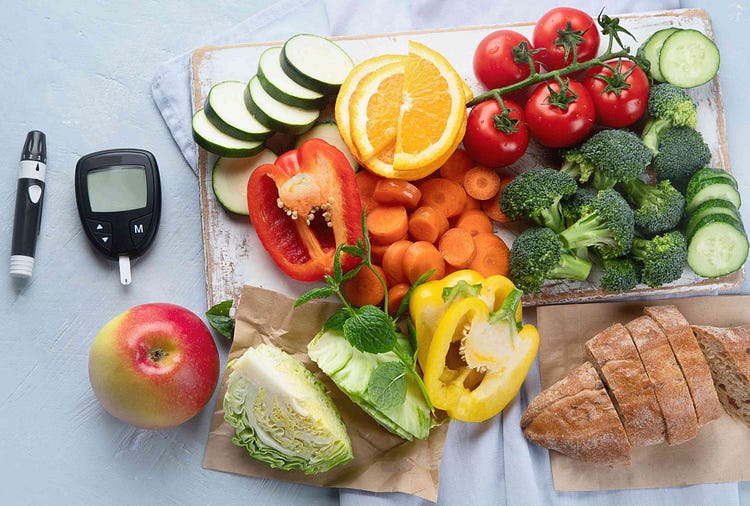
Low glycemic index (GI) foods help manage your blood sugar levels and encourage fat loss. They include eggs, broccoli, and beans.
How Can Low-GI Foods Improve Your Health?
The GI ranks foods according to their impact on blood sugar levels. The higher the GI, the greater the effect a food has on blood sugar.
A food’s impact can depend on factors such as what you eat it with, the serving size, and how you prepare it. Most high-carbohydrate foods have a higher GI because carbohydrates have the greatest impact on blood sugar.
Some evidence suggests that certain groups may benefit from following low-GI diets, including:
- Diabetes: Low-GI diets can improve glycemic control. Research has shown significant improvements in post-meal blood sugar levels in people with type 2 diabetes and blood sugar control in those with type 1 diabetes.
- Fatty liver disease: Low-GI diets may benefit those with non-alcoholic fatty liver disease (NAFLD). Research has found that a low-GI diet helps lower liver fat and alanine transaminase (ALT) levels.
- Obesity: Low-GI foods can eliminate foods linked to weight gain, like sweets and sugary drinks, from your diet. They may promote fat loss in people with metabolic disease.
Low-GI diets may benefit overall health by reducing added sugar, ultra-processed foods, and refined carbohydrates. It’s best to seek individualized dietary advice from a doctor, especially if you have underlying conditions.
How Does the Glycemic Index Work?
The GI is a classification system that ranks carbohydrate-rich foods according to their impact on blood sugar levels. The GI gives an estimation of how quickly your body digests food and absorbs it into your bloodstream.
The GI ranks foods on a scale of 0–100. The higher a food’s GI, the greater its impact on blood sugar:
Glycemic Load
Another measure of the glycemic impact of foods is the glycemic load (GL). It accounts for both the GI and the serving size, as well as other nutritional content. A low GL is 10 or below, while a high GL is 20 or greater.
The GL has some drawbacks, but it may be a more accurate representation of how food impacts blood sugar. The GL can contradict the GI and give some foods that have a high GI a low GL.
Watermelon has a GI score of 74. The GL of a standard serving of watermelon is 4, which is considered low. This can be confusing for people who use the GI to assess the impact of their diet on blood sugar.
The GI is a useful tool for determining food’s impact on blood sugar, but it has some drawbacks. It does not account for important factors, such as serving size and what you eat the food with.
A serving of plain pasta may cause a spike in blood sugar. Eating it with vegetables and proteins can have less of an impact. Some healthy, high-carbohydrate foods also have similar GIs as ultra-processed foods.
A Mars chocolate bar has a lower GI than watermelon. However, a watermelon offers fiber, vitamins, and minerals.
Which Foods Won’t Spike Your Blood Sugar?
Foods that have a low GI include meat, poultry, eggs, nuts, beans, and some fruits and vegetables. Low-GI foods contain nutrients that help blunt their impact on blood sugar levels, such as fiber and protein.
Chicken, beef, fish, and eggs have a GI of zero because they contain little to no carbohydrates and have minimal impact on blood sugar.
Protein-rich foods slow digestion, increase fullness, and lower sugar absorption. Pairing carbohydrates with protein, like eggs or chicken, can lower a meal’s impact on blood sugar.
Consuming proteins before high-carbohydrate foods can also lower post-meal blood sugar spikes. One study found that eating chicken and salad before eating ciabatta bread decreased post-meal blood sugar levels by 40%.
Non-Starchy Vegetables
Non-starchy vegetables are low in carbohydrates and high in fiber. Like protein, fiber slows digestion and the absorption of sugar into your bloodstream. High-fiber diets help manage type 2 diabetes, obesity, and many other conditions linked to high blood sugar levels.
The GIs of common non-starchy vegetables include:
Nuts and Seeds
Nuts and seeds are rich in plant-based protein and fiber, which slow sugar absorption and have a low GI. Most nuts and seeds have a low GI, such as:
Some evidence suggests that increasing nut and seed intake may improve fasting blood sugar, insulin levels, and HbA1c in people with diabetes.
One study found that eating 20 grams of almonds before meals decreased post-meal blood sugar and insulin levels in people with prediabetes. About 23% of participants had normal blood sugar levels at the end of three months.
Beans and Lentils
Beans and lentils are high in carbohydrates but generally have a low GI. They have a high concentration of plant-based protein and fiber, which helps offset post-meal blood sugar spikes.
The GI of popular beans includes:
Beans and lentils are also rich in magnesium. Increasing magnesium intake can be helpful for people with high blood sugar. This mineral plays an important role in glycemic control.
Research has shown that people with diabetes who have low blood levels of magnesium have poorer glycemic control than those with high levels.
Some Fruits
Fruits are high in carbohydrates, but many have a low GI and can promote healthy blood sugar levels. Eating fresh fruit can protect against type 2 diabetes.
One review of 19 studies found that increasing fruit intake also can lower fasting blood glucose concentration in people with type 2 diabetes.
Some examples of low-GI fruit include:
Foods That Raise Blood Sugar Levels Fast
Foods with a high GI are usually high in sugar and refined carbohydrates and low in protein and fiber. Some examples of high-GI foods include:
- Candies like jelly beans
- Potatoes
- Refined cereals like cornflakes
- Sugary drinks like soda
- Sweeteners like sugar and honey
- White bread
- White rice
Some high-GI foods, like white bread and candy, are low in nutrients. Others, like potatoes and watermelons, are nutritious and offer fiber, vitamins, minerals, and beneficial plant compounds.
Experts often recommend reducing foods that significantly impact blood sugar, like sweets and refined carbohydrates, rather than strictly following a low-GI diet.
This approach allows you to enjoy nutritious high-GI foods while increasing vegetables, fruits, and protein- and fiber-rich foods.
Originally published at https://www.health.com.


Comments
Post a Comment